
Financial Planning for UK-Based SMEs: Mastering the Art of Fiscal Resilience
In the dynamic landscape of UK business, small and medium-sized enterprises (SMEs) face unique challenges that demand robust financial planning. As the backbone of the British economy, SMEs must navigate complex market conditions, regulatory changes, and economic uncertainties with finesse. This comprehensive guide delves into the critical aspects of financial planning tailored specifically for UK-based SMEs, offering powerful insights and strategies to ensure not just survival, but thriving success.
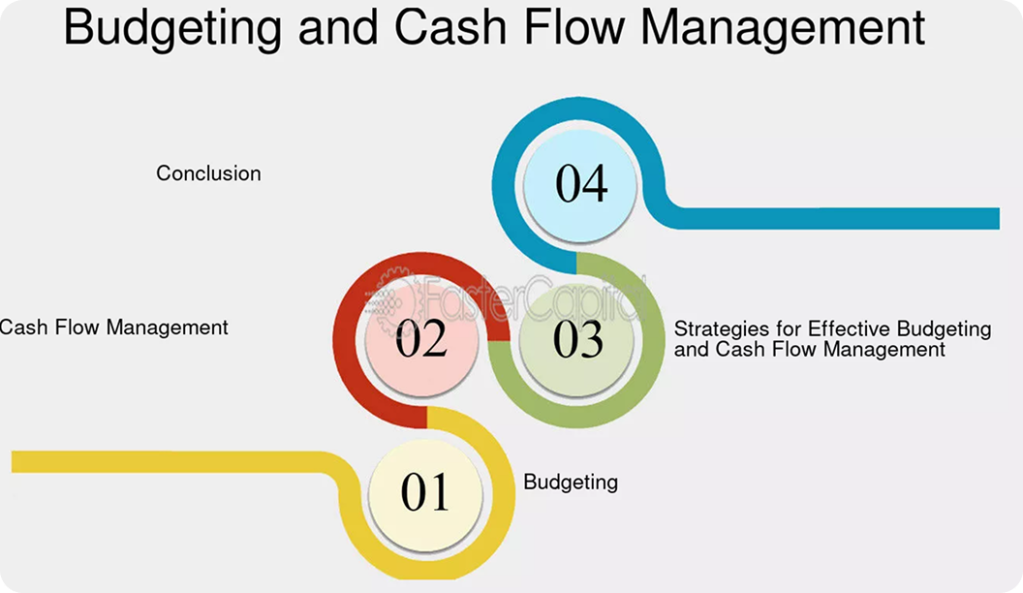
The Triad of Financial Mastery: Budgeting, Cash Flow, and Risk Management
Budgeting: The Foundation of Financial Stability
Effective budgeting is the cornerstone of financial health for SMEs. It’s not merely about tracking income and expenses; it’s about creating a financial roadmap that aligns with your business goals and market realities.
Key Strategies:
- Zero-Based Budgeting: Start each financial period from scratch, justifying every expense. This approach ensures resources are allocated based on current needs and goals, not historical spending patterns.
- Flexible Budgeting: Implement a budget that can adapt to changing business volumes. This is particularly crucial for UK SMEs facing seasonal fluctuations or economic uncertainties.
- Technology Integration: Leverage UK-specific accounting software like Xero or QuickBooks UK to automate budgeting processes and gain real-time insights into your financial position.
Cash Flow Management: The Lifeblood of SMEs
Cash flow is the pulse of your business. In the UK market, where late payments are a perennial issue for SMEs, mastering cash flow management is not just beneficial—it’s essential for survival.
Powerful Tactics:
- Invoice Financing: Utilise invoice financing services to bridge the gap between invoice issuance and payment receipt. This can provide immediate access to cash tied up in unpaid invoices.
- Supplier Negotiation: Negotiate extended payment terms with suppliers while offering early payment discounts to customers. This strategy helps balance cash inflows and outflows more effectively.
- Cash Flow Forecasting: Implement robust forecasting tools to anticipate cash shortages. UK-based SMEs should factor in seasonal trends, tax payment schedules, and potential Brexit-related market fluctuations in their forecasts.
Risk Management: Safeguarding Your SME’s Future
In the post-Brexit era, UK SMEs face a unique set of risks that demand proactive management. From currency fluctuations to changing trade regulations, a comprehensive risk management strategy is crucial.
Innovative Approaches:
- Currency Hedging: For SMEs engaged in international trade, implementing currency hedging strategies can protect against exchange rate volatility.
- Diversification: Spread risk by diversifying your customer base, supplier network, and product/service offerings. This approach can insulate your business from sector-specific downturns.
- Cyber Security Investment: With the increasing prevalence of cyber threats, investing in robust cyber security measures is not just a risk management strategy—it’s a business imperative for UK SMEs.
Leveraging UK-Specific Financial Tools and Support
The UK government and financial sector offer various tools and support mechanisms tailored for SMEs. Savvy business owners should take full advantage of these resources:
- Enterprise Finance Guarantee (EFG) Scheme: This government-backed scheme can help SMEs secure loans even when they lack sufficient security.
- R&D Tax Credits: UK SMEs engaged in research and development can benefit from significant tax relief, boosting cash flow and encouraging innovation.
- Business Growth Fund: For SMEs looking to scale, this fund offers long-term equity investments, providing not just capital but also expertise and support.
The Power of Professional Guidance
While these strategies provide a robust framework for financial planning, the complexities of the UK business environment often necessitate professional guidance. Engaging with chartered accountants or financial advisors who specialize in UK SMEs can provide invaluable insights and tailored strategies.
Conclusion: Building Financial Resilience in Uncertain Times
For UK-based SMEs, financial planning is not just about managing money—it’s about building resilience, seizing opportunities, and navigating the unique challenges of the British business landscape. By mastering the art of budgeting, cash flow management, and risk mitigation, and by leveraging UK-specific financial tools and professional guidance, SMEs can not only weather economic storms but emerge stronger and more competitive.
In an era where change is the only constant, robust financial planning is your SME’s compass, guiding you through turbulent waters toward sustainable growth and success. Embrace these strategies, remain agile, and position your business at the forefront of the UK’s economic future.
